Human Networks, Sustainable Development, and Lived Experience in a Nonindustrial Society
Project Overview
This project explores how patterns of social interaction shaped the quality of life in past communities. Using archaeological evidence from the U.S. Southwest, researchers examine how social networks developed over 800 years and how these connections influenced resilience, sustainability, and human well-being.
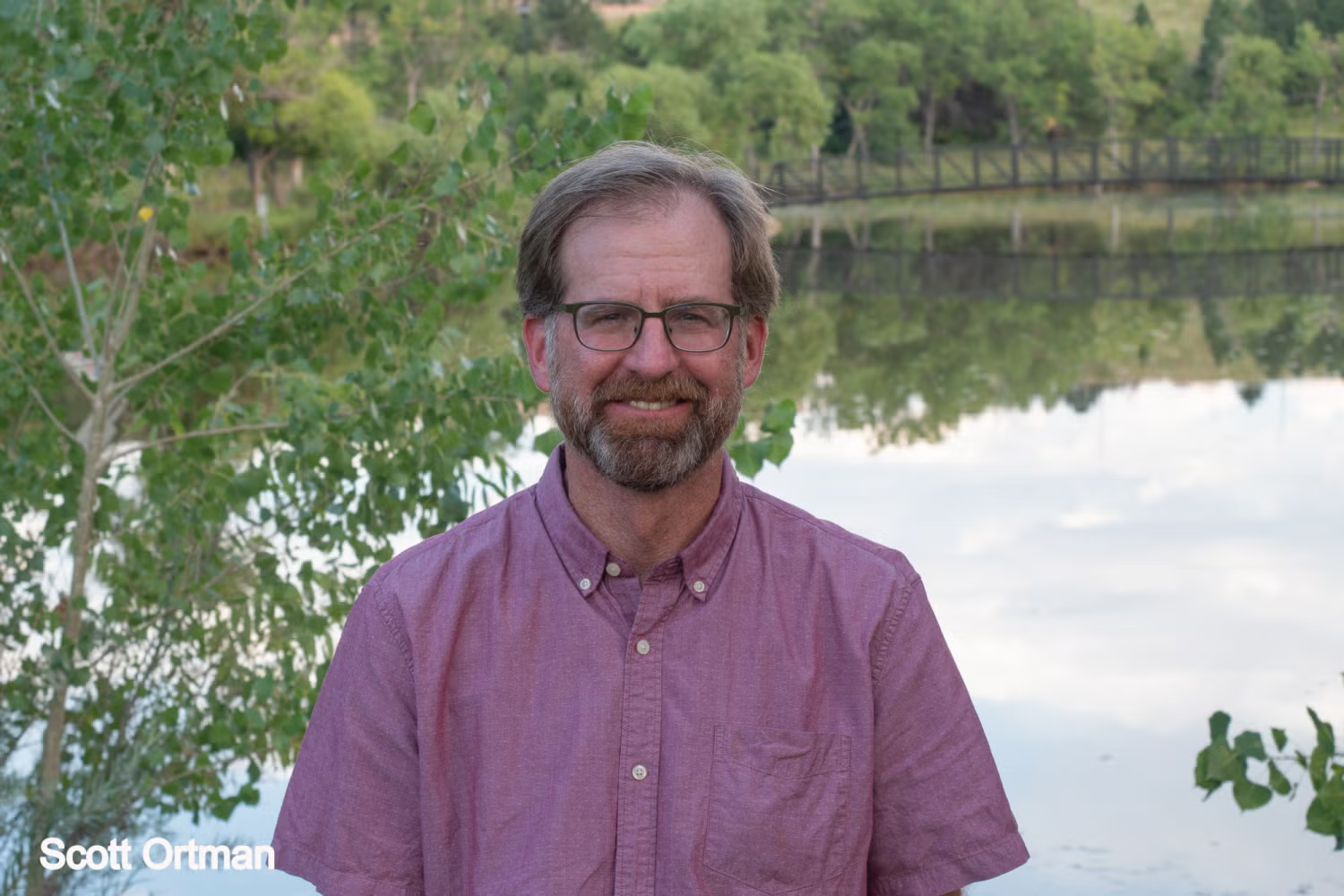
Scott Ortman
University of Colorado, Boulder
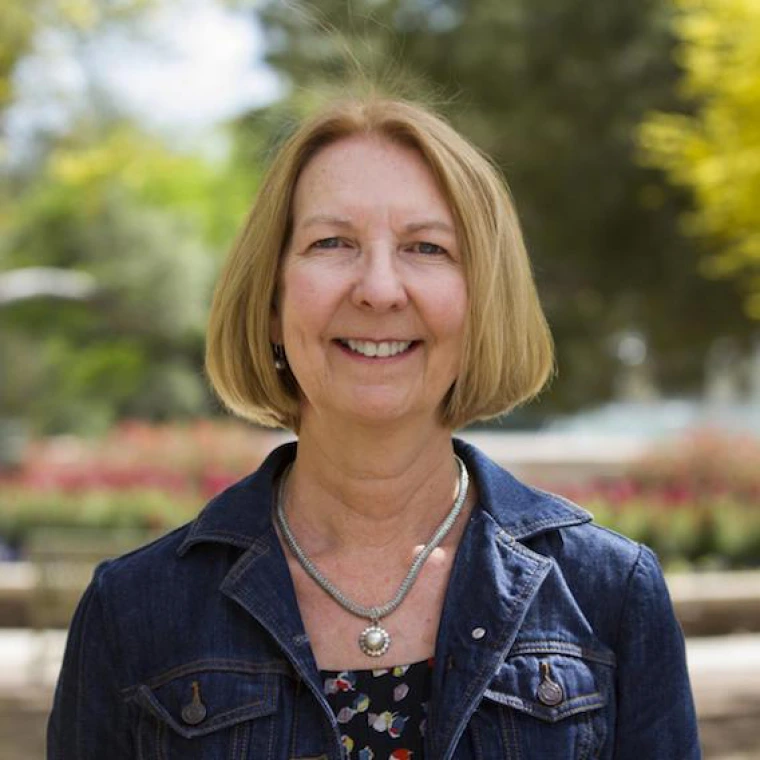
Barbra Mills
University of Arizona
Matthew Peeples
Arizona State University
Keith Kingith
Arizona State University
Allen Lee
Arizona State University

Ann Stodder
NMBIOARCH

Kyle Bocinsky
University of Montanna
Project Details
People’s lives are shaped by the connections they build with others. This project explores how social networks developed and changed over the long term, and how those patterns of interaction influenced community well-being in the past. Using archaeological evidence from the U.S. Southwest, researchers investigate how people collaborated across different places to meet basic needs, adapt to environmental change, and create thriving communities. By examining 800 years of human interaction, the project seeks to understand how social connections contribute to prosperity, resilience, inclusiveness, and sustainability.
The project brings together researchers from universities, nonprofit organizations, and Tribal communities to create a comprehensive platform for studying past societies. Drawing on demographic, environmental, health, and socioeconomic data from previous research, the team uses network analysis and complex systems approaches to examine how patterns of social interaction influenced human development. These findings provide new insights into the relationships between social networks, sustainability, and quality of life, offering perspectives that may help address challenges facing communities today.
Research Team
- Scott Ortman, University of Colorado Boulder
- Keith Kintigh, Arizona State University
- Matthew Peeples, Arizona State University
- Allen Lee, Arizona State University
- Ann Stodder, NMBIOARCH
- Shamsi Berry, Western Michigan University
- Kyle Bocinsky, University of Montanna
- William Doelle, Archaeology Southwest
- Josh Watts, Archaeology Southwest
Project Funding
2022 National Science Foundation, Human Networks and Data Science, Research Program (HNDS-R) – Human Networks, Sustainable Development, and Lived Experience in a Nonindustrial Society.
Outcomes
Ortman, Scott G., George P. Mahar, and Joshua Watts. (2026). Reframing Interpretation of the Juvenility Index. Journal of Archaeological Method and Theory 33.
Hanson, Kelsey E., Kathleen Barvick, Rebecca Harkness, Evan Giomi, Scott G. Ortman, and Barbara J. Mills (2025). From Exclusive to Inclusive: The Changing Role of Plaza Spaces in the Ancestral Pueblo World (AD 800–1550). American Antiquity 90: 508-529.
Giomi, Evan, Barbara Mills, Matthew Peeples, Scott Ortman (2025). Network Structure and Market Transformations in the US Southwest and Northern Mexico, AD 1200-1700. Annual Meeting of the Society for American Archaeology.
Peeples, Matthew A., Kenneth Vernon, Scott Ortman (2025). Reconstructing Regional Material, Spatial, and Demographic Networks in the U.S. Southwest.. Annual Meeting of the Society for American Archaeology.
Ortman, Scott, Kenneth Vernon, Matthew Peeples (2025). Residential Density and Community Performance in the U.S. Southwest.. Annual Meeting of the Society for American Archaeology.