My research uses archaeological evidence, computational methods, and large-scale data synthesis to investigate long-term patterns of human social organization and social change. Much of this work focuses on Indigenous societies of the U.S. Southwest, but it is motivated by a broader set of questions that connect archaeology to the social sciences:
- How do patterns of social connection shape the long-term trajectories of human societies?
- Under what conditions do social networks facilitate resilience, cooperation, migration, and collective action?
- How can archaeological research and large-scale data resources be developed in ways that incorporate Indigenous perspectives, support community priorities, and enrich interpretations of the past?
- How do communities maintain social relationships across large geographic regions, and how do those relationships shape identity, inequality, and social transformation?
- How can we integrate archaeological data across regions, projects, and time periods to study human societies at scales relevant to comparative social science?
- What new computational, statistical, and network-based approaches are needed to study the past as a complex social system?
Read below to learn more about my major projects.
Major Projects
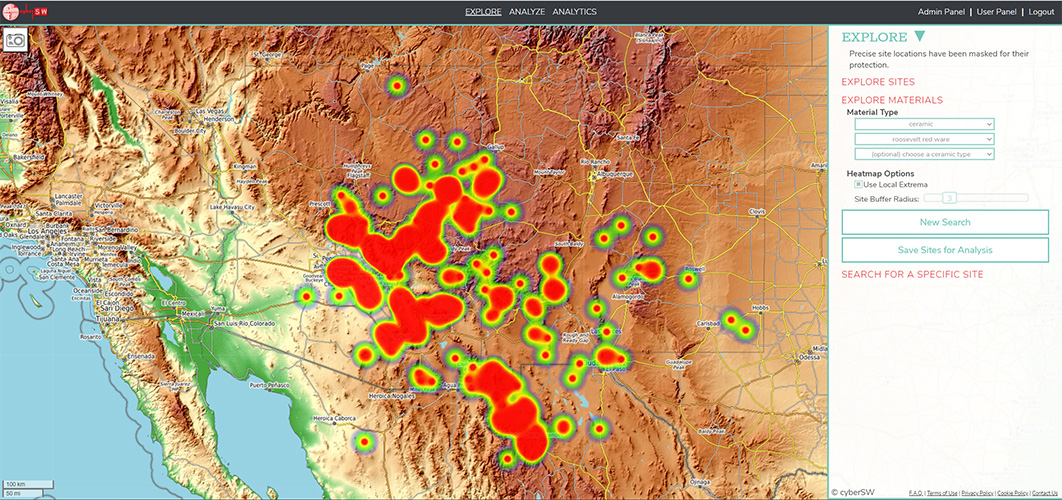
cyberSW: A Data Synthesis and Knowledge Discovery System for Archaeology
The cyberSW project is focused on developing an online platform and analytical infrastructure for conducting regional scale archaeological research in the U.S. Southwest and Mexican Northwest.
Learn More →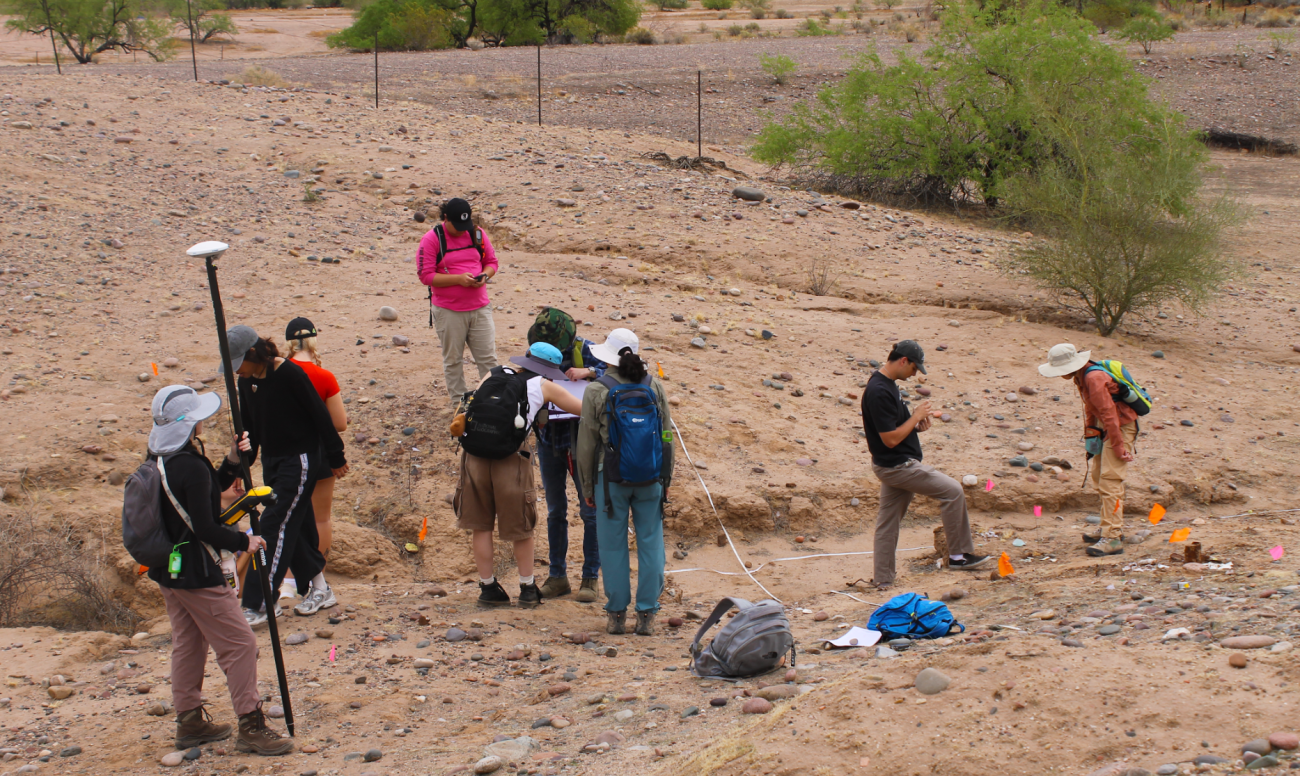
Archaeological Field School at S’edav Va’aki
Field school directed by Matthew Kroot and Matthew Peeples at the Ancestral O’Odham village of S’eḏav Va’aki. Conducted in partnership with the City of Phoenix and in consultation with the Tribal Historic Preservation Offices of the Gila River Indian Community and the Salt River Pima-Maricopa Indian Community
Learn More →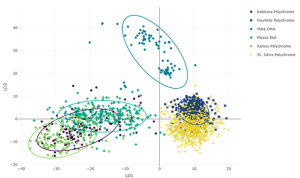
Advancing the Scale of Ceramic Compositional Analysis
This project uses chemical analyses of ancient ceramics to investigate patterns of production, exchange, and social interaction across the U.S. Southwest. By creating a standardized database of more than 30,000 ceramic samples and applying new artificial intelligence, machine learning, and social network methods, researchers are uncovering how people and communities were connected across large regions over time.
Learn More →
CatMapper
CatMapper is a powerful new research tool that helps researchers identify, align, and merge diverse datasets across complex dynamic categories with greater speed and accuracy than manual processes.
Learn More →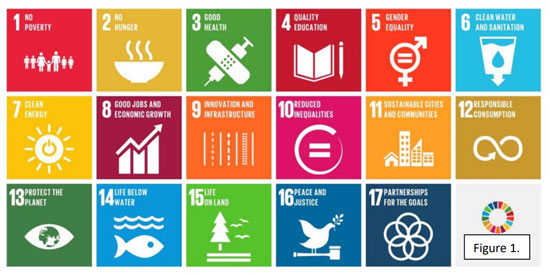
Human Networks, Sustainable Development, and Lived Experience in a Nonindustrial Society
This project explores how patterns of social interaction shaped the quality of life in past communities. Using archaeological evidence from the U.S. Southwest, researchers examine how social networks developed over 800 years and how these connections influenced resilience, sustainability, and human well-being.
Learn More →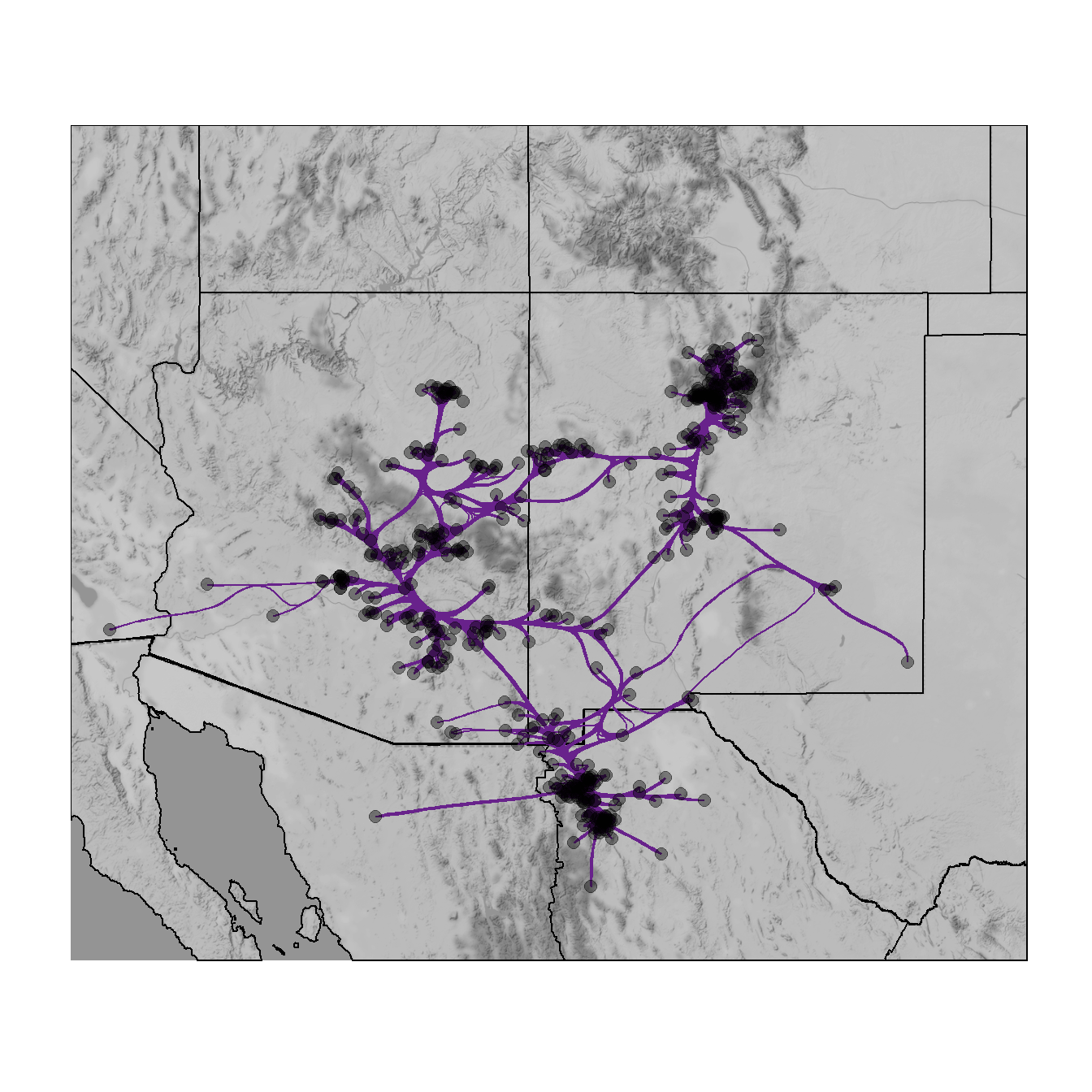
Methodological Challenges and Interpretations in Network Analysis of Artifact Data
This project investigates how network analysis can be used to study relationships among ancient communities. By developing new methods for analyzing archaeological networks, it helps researchers better understand migration, social interaction, and long-term social change in the past.
Learn More →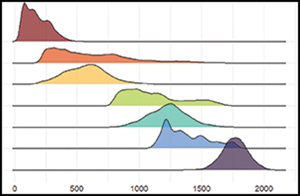
Persistence and Continuity of Cities and Neighborhoods through History
This project investigates why some cities and settlements persist for centuries while others decline or disappear. Using archaeological data from regions around the world, it explores how population dynamics, social networks, environmental conditions, and institutions shape long-term community resilience.
Learn More →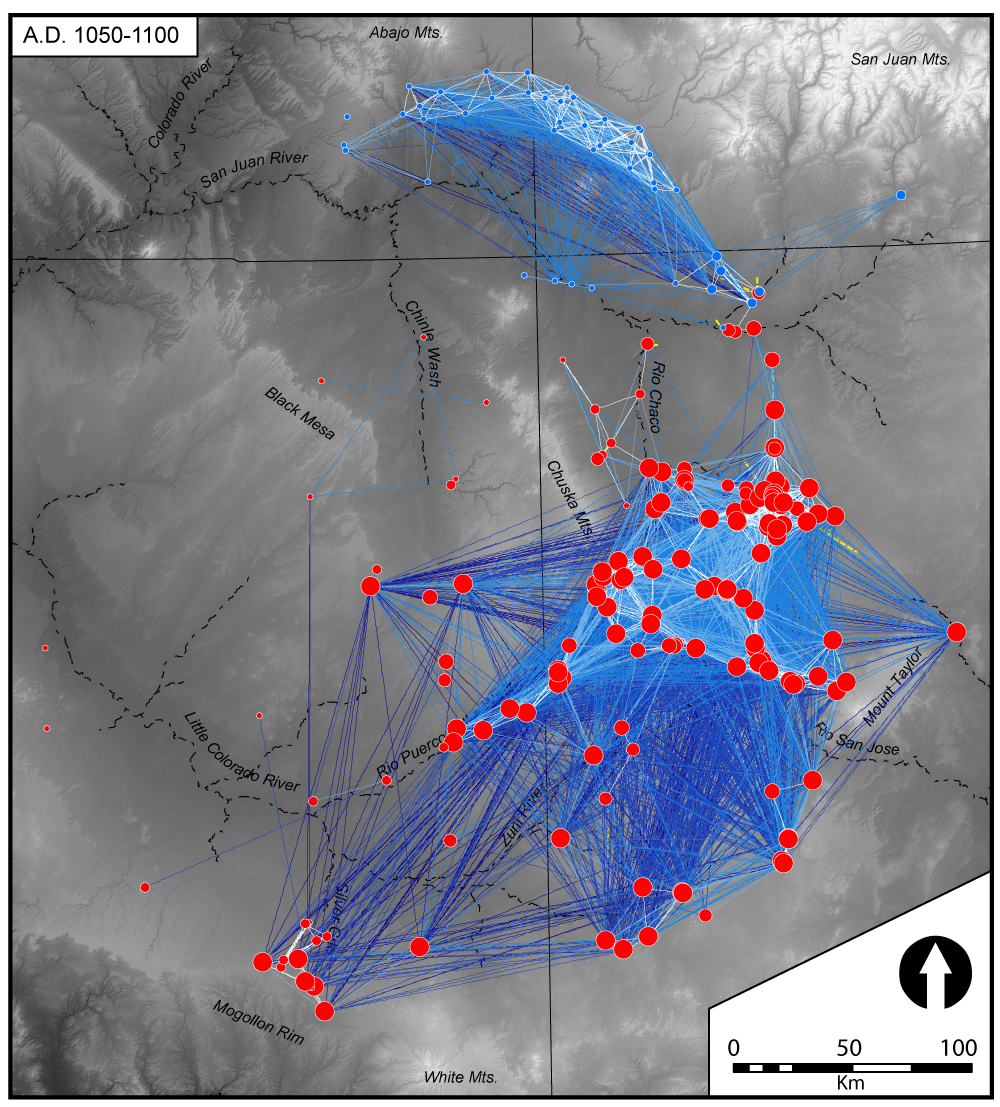
The Dynamics of Chacoan Social and Spatial Networks, AD 800-1200
This project investigates how communities across the Chaco World were connected and how those relationships changed over time. Using archaeological data and social network analysis, it explores the rise of Chaco Canyon, regional interaction, migration, and the development of social inequality in the ancient Southwest.
Learn More →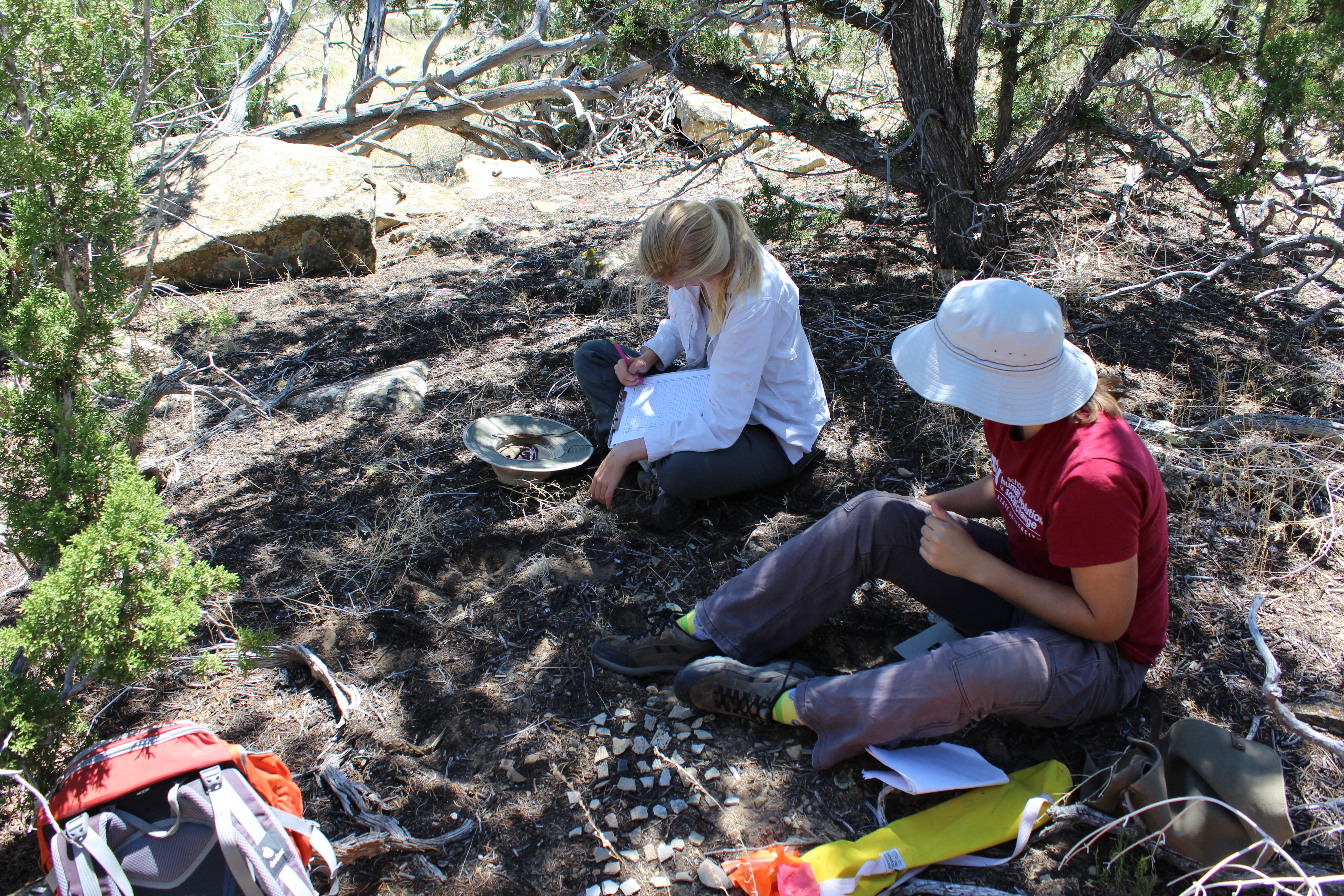
Regional Identities and Demographic Change in the Ancient Cibola World
This project investigates how social groups and identities formed, changed, and persisted in the prehispanic Southwest. Using archaeological data from west-central New Mexico, we explore how patterns of interaction and public expressions of identity shaped communities during a period of major social and demographic change.
Learn More →